Silence in Kyoto: Zen Gardens and Wooden Architecture
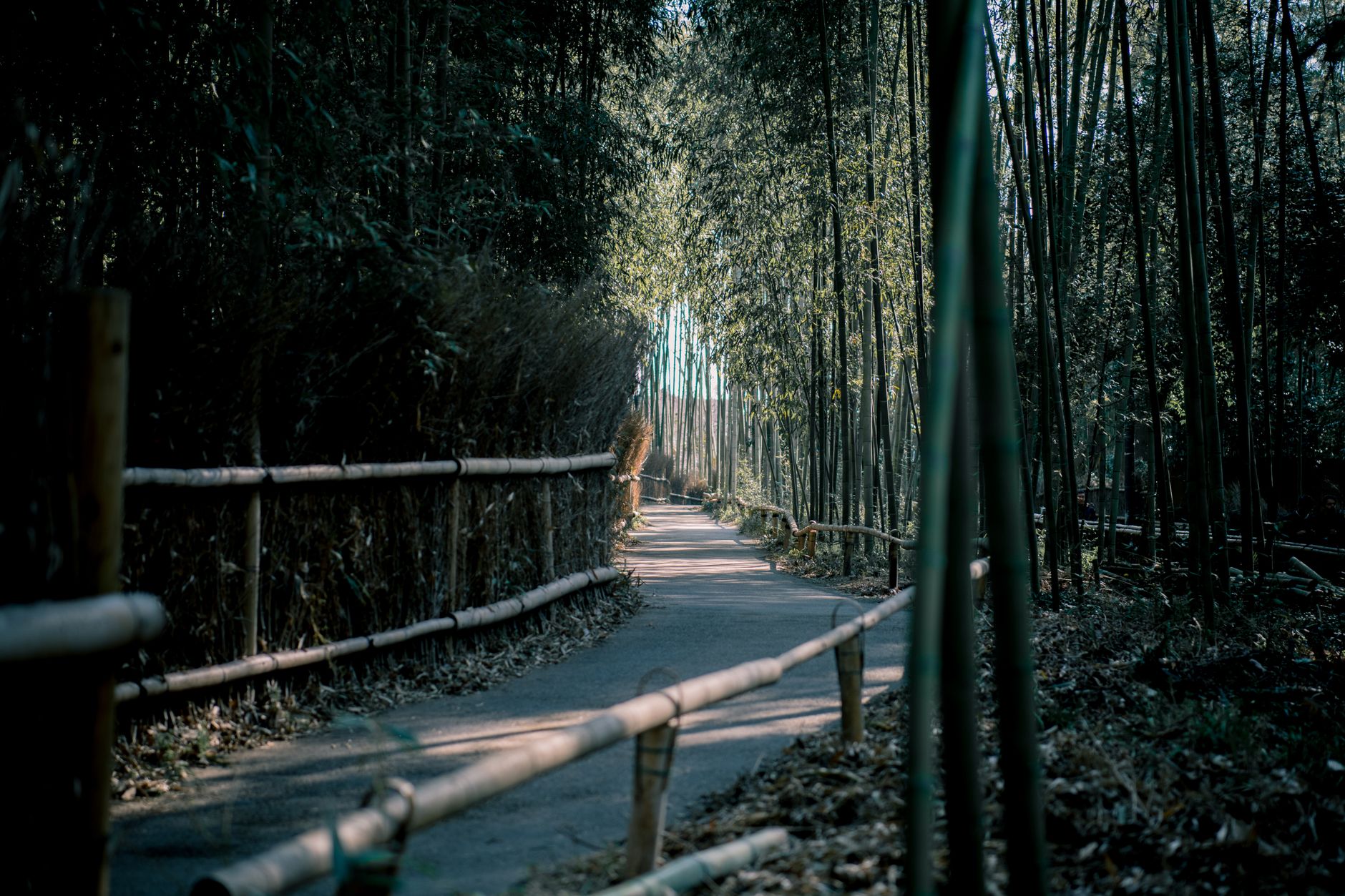
In the northern foothills of Kyoto, far removed from the neon corridors of modern Kansai, temple verandas overlook raked gravel courtyards that have remained virtually unchanged since the Muromachi period. The concept of Ma—the conscious design of negative space—finds its highest expression in these quiet stone enclosures.
The Stone Garden of Ryoan-ji
Sitting on the polished cedar deck of Ryoan-ji at dawn, fifteen rough rocks sit nestled in white sand. No matter where you sit, at least one stone remains hidden from view—a deliberate architectural metaphor for the human impossibility of absolute omniscience.
“Architecture in Kyoto does not conquer nature; it constructs framed apertures through which nature can be observed with profound intimacy.”
Materials of Endurance: Hinoki and Paper
The vernacular machiya townhouses of the Gion and Miyagawacho districts utilize untreated Japanese cypress (hinoki), bamboo lattice, and translucent washi screens. Over decades, smoke and ambient humidity stain the timber into deep shades of umber and charcoal, embodying the aesthetic philosophy of wabi-sabi: finding beauty in the natural processes of age and weathering.
- Early Visitation: Arrive at temple grounds at opening (07:00) to experience gardens in true auditory silence.
- Footwear Etiquette: Prepare soft wool socks for continuous movement over centuries-old wooden floorboards.
- Seasonal Context: Late autumn brings maples into vivid crimson hues, contrasting against emerald moss carpets.
Walking along the Philosophers Path as rain began to ripple the canal, the rhythmic tapping of bamboo fountains provided a reminder that true luxury in travel is not extravagance, but uninterrupted attention.